Buy tv4.org ?
We are moving the project
tv4.org .
Are you interested in purchasing the domain
tv4.org ?
domain@kv-gmbh.de · 0541-91531010
Buy tv4.org ?
What are magnification spots?
Magnification spots are areas on a microscope slide where the specimen appears larger than the surrounding areas. These spots can occur due to uneven distribution of the specimen on the slide, uneven thickness of the specimen, or uneven lighting. Magnification spots can make it difficult to accurately observe and analyze the specimen, so it is important to carefully prepare and position the specimen on the slide to minimize their occurrence. **
What does 8x magnification mean?
8x magnification means that the object being viewed through the binoculars or telescope will appear 8 times larger than it would to the naked eye. This means that distant objects will appear closer and more detailed, making it easier to see fine details and observe distant subjects. It is a measure of how much closer the object will appear when viewed through the lens. **


Similar search terms for Magnification
Top-Angebote
Products related to Magnification:
-
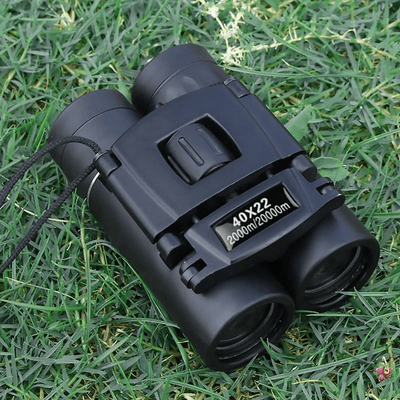
40x Magnification Binoculars Portable, High Performance Optics For Outdoors 40x Magnification Binoculars Portable, High Performance Optics For OutdoorsThese compact binoculars with 40x magnification provide exceptional optical clarity for a wide range of outdoor activities. Whether you're a birdwatcher, a nature enthusiast, or a sports fan, they offer exceptional zoom and sharp images, bringing...37,97 $*Shipping: 0,00 $Secure redirect to the provider
-
Digital Microscope LCD, Magnification, Adjustable LED Lights, Photo & Video Magnifier Digital Microscope LCD, Magnification, Adjustable LED Lights, Photo & Video MagnifierDiscover the Micro World in Stunning Detail with the 4.3" 1080P LCD Digital Microscope Experience the wonder of a whole new world of microscopic detail with the 4.3" 1080P LCD Digital Microscope. Equipped with a highresolution 1080P LCD screen, this...134,97 $*Shipping: 0,00 $Secure redirect to the provider
-
Bird Listening Device With Range Magnification Bionic Ear Sound Recorder Bird Listening Device With Range Magnification Bionic Ear Sound RecorderUnlock the wonders of nature with the 1 pc of Bird Listening Devicean essential tool for birdwatchers, nature enthusiasts, and anyone fascinated by the sounds of the wild. Whether you're observing birds in your backyard or exploring deeper into...115,97 $*Shipping: 0,00 $Secure redirect to the provider
-
Double Sided Makeup Mirror With Magnification Rotating Round Vanity Mirror Double Sided Makeup Mirror With Magnification Rotating Round Vanity MirrorMake every touchup feel easier and more precise with this 1 pc of double sided makeup mirror designed for everyday beauty routines. Perfect for makeup lovers, skincare users, and anyone who wants a clearer view while getting ready, it combines a...53,97 $*Shipping: 0,00 $Secure redirect to the provider


-
Why can I see paramecia well at 8x magnification, but not at 20x magnification?
At 8x magnification, the field of view is larger, allowing you to see more paramecia at once. However, at 20x magnification, the field of view is smaller, making it more difficult to locate and focus on individual paramecia. Additionally, higher magnification can sometimes result in a narrower depth of field, making it harder to keep the paramecia in focus. **
-
Why can I see slipper animalcules well at 8x magnification, but not at 20x magnification?
Slipper animalcules are larger microorganisms, so they may be more easily visible at a lower magnification such as 8x. At 20x magnification, the field of view becomes smaller, making it harder to locate and focus on the slipper animalcules. Additionally, higher magnification can sometimes result in a narrower depth of field, making it more challenging to keep the slipper animalcules in focus. **
-
How is the magnification factor determined?
The magnification factor is determined by dividing the focal length of the lens by the focal length of the eyepiece being used. This calculation gives the overall magnification of the telescope. For example, if a telescope has a focal length of 1000mm and an eyepiece with a focal length of 10mm is used, the magnification factor would be 100x (1000mm / 10mm = 100x). This factor indicates how much larger an object will appear when viewed through the telescope. **
-
At what magnification are satellites visible?
Satellites are typically visible at a magnification of around 10x to 20x using a good pair of binoculars. At this magnification, you can see the glint of sunlight reflecting off the satellite as it moves across the sky. However, the exact magnification needed to see a satellite can vary depending on its altitude, size, and the lighting conditions. **


Which binoculars have a good magnification?
The binoculars with a magnification of 10x or higher are generally considered to have good magnification. These binoculars provide a strong level of magnification, allowing you to see distant objects with great clarity and detail. However, it's important to keep in mind that higher magnification can also lead to a narrower field of view and can make the image appear shakier if not properly stabilized. Therefore, it's important to consider your specific needs and uses for the binoculars when determining the ideal magnification for your purposes. **
What is the magnification of eyepieces?
The magnification of eyepieces refers to the degree to which they enlarge the image seen through a microscope or telescope. It is determined by the focal length of the eyepiece and the focal length of the objective lens. The magnification of an eyepiece is typically marked on the eyepiece itself, and it is often adjustable by changing the distance between the eyepiece and the objective lens. Higher magnification eyepieces allow for a closer and more detailed view of the object being observed. **
Top-Angebote
Products related to Magnification:
-
Professional USB Digital Microscope With Magnification & Stand Professional USB Digital Microscope With Magnification & StandBringing microscopic detail into crisp view has never been easier or more rewarding. Designed for curious minds and practical professionals alike, this USB digital microscope turns your computer into a magnified inspection window. Whether youre...49,97 $*Shipping: 0,00 $Secure redirect to the provider
-
HDMI Capture Card USB Video Recording Adapter For Streaming & Content Creation HDMI Capture Card USB Video Recording Adapter For Streaming & Content CreationTransform your setup into a powerful content studio with this HDMI capture card designed for creators who demand clarity and ease. Whether youre streaming gameplay, recording tutorials, or capturing live events, this compact device delivers smooth,...64,97 $*Shipping: 0,00 $Secure redirect to the provider
-
40x Magnification Binoculars Portable, High Performance Optics For Outdoors 40x Magnification Binoculars Portable, High Performance Optics For OutdoorsThese compact binoculars with 40x magnification provide exceptional optical clarity for a wide range of outdoor activities. Whether you're a birdwatcher, a nature enthusiast, or a sports fan, they offer exceptional zoom and sharp images, bringing...37,97 $*Shipping: 0,00 $Secure redirect to the provider
-
Digital Microscope LCD, Magnification, Adjustable LED Lights, Photo & Video Magnifier Digital Microscope LCD, Magnification, Adjustable LED Lights, Photo & Video MagnifierDiscover the Micro World in Stunning Detail with the 4.3" 1080P LCD Digital Microscope Experience the wonder of a whole new world of microscopic detail with the 4.3" 1080P LCD Digital Microscope. Equipped with a highresolution 1080P LCD screen, this...134,97 $*Shipping: 0,00 $Secure redirect to the provider
-
What are magnification spots?
Magnification spots are areas on a microscope slide where the specimen appears larger than the surrounding areas. These spots can occur due to uneven distribution of the specimen on the slide, uneven thickness of the specimen, or uneven lighting. Magnification spots can make it difficult to accurately observe and analyze the specimen, so it is important to carefully prepare and position the specimen on the slide to minimize their occurrence. **
-
What does 8x magnification mean?
8x magnification means that the object being viewed through the binoculars or telescope will appear 8 times larger than it would to the naked eye. This means that distant objects will appear closer and more detailed, making it easier to see fine details and observe distant subjects. It is a measure of how much closer the object will appear when viewed through the lens. **
-
Why can I see paramecia well at 8x magnification, but not at 20x magnification?
At 8x magnification, the field of view is larger, allowing you to see more paramecia at once. However, at 20x magnification, the field of view is smaller, making it more difficult to locate and focus on individual paramecia. Additionally, higher magnification can sometimes result in a narrower depth of field, making it harder to keep the paramecia in focus. **
-
Why can I see slipper animalcules well at 8x magnification, but not at 20x magnification?
Slipper animalcules are larger microorganisms, so they may be more easily visible at a lower magnification such as 8x. At 20x magnification, the field of view becomes smaller, making it harder to locate and focus on the slipper animalcules. Additionally, higher magnification can sometimes result in a narrower depth of field, making it more challenging to keep the slipper animalcules in focus. **
Similar search terms for Magnification
-
Bird Listening Device With Range Magnification Bionic Ear Sound Recorder Bird Listening Device With Range Magnification Bionic Ear Sound RecorderUnlock the wonders of nature with the 1 pc of Bird Listening Devicean essential tool for birdwatchers, nature enthusiasts, and anyone fascinated by the sounds of the wild. Whether you're observing birds in your backyard or exploring deeper into...115,97 $*Shipping: 0,00 $Secure redirect to the provider
-
Double Sided Makeup Mirror With Magnification Rotating Round Vanity Mirror Double Sided Makeup Mirror With Magnification Rotating Round Vanity MirrorMake every touchup feel easier and more precise with this 1 pc of double sided makeup mirror designed for everyday beauty routines. Perfect for makeup lovers, skincare users, and anyone who wants a clearer view while getting ready, it combines a...53,97 $*Shipping: 0,00 $Secure redirect to the provider
-
Pocket Magnifier High Magnification Optical Lens For Jewelry & Watch Repair Pocket Magnifier High Magnification Optical Lens For Jewelry & Watch RepairUnlock the power of precision with our 30X pocket magnifier, designed to offer crystalclear viewing for intricate tasks. Ideal for jewelry makers, watch repair professionals, and hobbyists, this compact magnifying glass ensures no detail is too...58,97 $*Shipping: 0,00 $Secure redirect to the provider
-
Foldable LED Makeup Mirror With Magnification Compact Travel Vanity Mirror Foldable LED Makeup Mirror With Magnification Compact Travel Vanity MirrorTired of struggling with poor lighting and unclear reflections This LED makeup mirror is designed for beauty lovers who want precision and confidence wherever they go. Featuring a powerful 10x magnifying mirror, it helps you perfect every detailfrom...44,97 $*Shipping: 0,00 $Secure redirect to the provider
-
How is the magnification factor determined?
The magnification factor is determined by dividing the focal length of the lens by the focal length of the eyepiece being used. This calculation gives the overall magnification of the telescope. For example, if a telescope has a focal length of 1000mm and an eyepiece with a focal length of 10mm is used, the magnification factor would be 100x (1000mm / 10mm = 100x). This factor indicates how much larger an object will appear when viewed through the telescope. **
-
At what magnification are satellites visible?
Satellites are typically visible at a magnification of around 10x to 20x using a good pair of binoculars. At this magnification, you can see the glint of sunlight reflecting off the satellite as it moves across the sky. However, the exact magnification needed to see a satellite can vary depending on its altitude, size, and the lighting conditions. **
-
Which binoculars have a good magnification?
The binoculars with a magnification of 10x or higher are generally considered to have good magnification. These binoculars provide a strong level of magnification, allowing you to see distant objects with great clarity and detail. However, it's important to keep in mind that higher magnification can also lead to a narrower field of view and can make the image appear shakier if not properly stabilized. Therefore, it's important to consider your specific needs and uses for the binoculars when determining the ideal magnification for your purposes. **
-
What is the magnification of eyepieces?
The magnification of eyepieces refers to the degree to which they enlarge the image seen through a microscope or telescope. It is determined by the focal length of the eyepiece and the focal length of the objective lens. The magnification of an eyepiece is typically marked on the eyepiece itself, and it is often adjustable by changing the distance between the eyepiece and the objective lens. Higher magnification eyepieces allow for a closer and more detailed view of the object being observed. **
* All prices are inclusive of VAT and, if applicable, plus shipping costs. The offer information is based on the details provided by the respective shop and is updated through automated processes. Real-time updates do not occur, so deviations can occur in individual cases. ** Note: Parts of this content were created by AI.